
"Atitlan region"
200 article(s) found

Guatemala's three non-volcanic coffee producing areas
Waichangsi Plateau Waichangsi Plateau This area is volcanic soil, high altitude, adequate rainfall, humidity changes greatly. Ash from Pacaya, Guatemala's most active volcano, provides important minerals for the region's soils. The dry season sunshine is abundant, although the morning fog, dew is big, but dissipates quickly. As a result, 100 per cent of the coffee in the region is sun processed. [Features

About the history of Guatemalan coffee, 8 flavors of Guatemalan coffee beans
The history of Guatemalan coffee: a cup of Guatemalan Antigua coffee seems to let us see the sudden disappearance of the mysterious Mayans multiply in the ancient land, history brushed away their existence, and history has made them forever. If a person's wrinkles depict a person's path, then the smell of coffee remembers the life experience of a cup of coffee: the wind of its hometown

Guatemala dome manor how to deal with the processing of dome manor single pea grade
For the exchange of professional baristas, please follow the coffee workshop (Wechat official account cafe_style) ANTIGUA Antigua is probably the best-known coffee-producing region in Guatemala and one of the best-known countries. The area, named Antigua, has famous Spanish architecture and a UNESCO World Heritage site. Because the market was full of thieves who devalued Antigua coffee beans.

Flavor characteristics of Central American Coffee beans | Finca Ceylan Gerland Manor in Guatemala | individual Coffee beans
Professional coffee knowledge exchange more coffee bean information please follow Coffee Workshop (Wechat official account cafe_style) Property Characteristics: farm characteristics Farm Farm name: Finca Ceylan Geran Manor Region production area: Atitlan Atilan Country countries: GUATAMALA Guatemala Central America Altitude altitude: 1jie 1001600 meters

Guatemala Coffee Bean Roast Latitha Manor
Coffee was really introduced into Guatemala in 1750 by Father Jesuit, where the coffee industry was developed by German colonists at the end of the 19th century. Today, most of the coffee industry's production takes place in the south of the country. There are seven main coffee producing areas in Guatemala: Antigua, Coban, Atitlan and Huehuete.

Guatemala Antigua Flower God single bean coffee beans taste good? flavor description variety planting information
For professional baristas, please follow the coffee workshop (official Wechat account cafe_style) Why is the coffee in Antigua, Guatemala so delicious? Because Guatemala has a unique volcanic terrain and high altitude, where the topography and soil environment uniquely create the unique flavor of coffee beans, Antigua is surrounded by three volcanoes. Why is the coffee bean of Flower God so
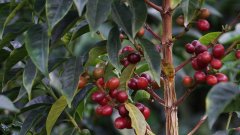
Guatemalan style Ladisha Manor Coffee Bourbon Kaddura High altitude Fine Coffee
Coffee was really introduced into Guatemala in 1750 by Father Jesuit, where the coffee industry was developed by German colonists at the end of the 19th century. Today, most of the coffee industry's production takes place in the south of the country. There are seven main coffee producing areas in Guatemala: Antigua, Coban, Atitlan and Huehuete.
Guatemala Fine Coffee beans at Latisha Manor in the Rahan Plateau
Coffee was really introduced into Guatemala in 1750 by Father Jesuit, where the coffee industry was developed by German colonists at the end of the 19th century. Today, most of the coffee industry's production takes place in the south of the country. There are seven main coffee producing areas in Guatemala: Antigua, Coban, Atitlan and Huehuete.
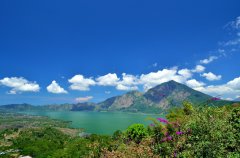
Boutique Coffee at La Tisa Manor in the Farahan Plateau of Guatemala
Coffee was really introduced into Guatemala in 1750 by Father Jesuit, where the coffee industry was developed by German colonists at the end of the 19th century. Today, most of the coffee industry's production takes place in the south of the country. There are seven main coffee producing areas in Guatemala: Antigua, Coban, Atitlan and Huehuete.

Guatemala Chiqua Chicua Manor introduces Guatemala Coffee hand-flushing parameters suggestion
More information about coffee beans Please follow Coffee Workshop (official Wechat account cafe_style) Coffee Workshop (Coffee Workshop) is a young manor situated on a mountainside overlooking the magnificent Attilan Lake, a hillside paradise formed by magma from the centuries-old eruption of nearby volcanoes Atilan and San Pedro. The word Qigua Chicua comes from the Mayan.
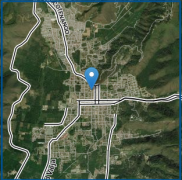
Introduction to the flavor of Guatemala Antigua coffee beans at auction on July 27 at Starbucks
Guatemala, real Central American coffee beans. Beans grown in Guatemala tend to have rich flavors of chocolate, cocoa and toffee, especially Strictly Hard Bean raw coffee grown in the Atitlan and Antigua coffee-growing areas of the central highlands of the country, showing these qualities and floral acidity, which is usually smoky or chocolate-floral. July 27th
Central and South American Coffee Flavor washing Raw Coffee beans at La Tisa Manor in Guatemala
Coffee was really introduced into Guatemala in 1750 by Father Jesuit, where the coffee industry was developed by German colonists at the end of the 19th century. Today, most of the coffee industry's production takes place in the south of the country. There are seven main coffee producing areas in Guatemala: Antigua, Coban, Atitlan and Huehuete.

Guatemala Republic Coffee beans Flower-scented Coke of La Tisa Manor on the Farahan Plateau of Guatemala
Coffee was really introduced into Guatemala in 1750 by Father Jesuit, where the coffee industry was developed by German colonists at the end of the 19th century. Today, most of the coffee industry's production takes place in the south of the country. There are seven main coffee producing areas in Guatemala: Antigua, Coban, Atitlan and Huehuete.
Antigua Coffee, Guatemala
Coffee was introduced to Guatemala in 1750 by Father Jesuit, and German colonists grew the coffee industry here at the end of the 19th century. Today, most of the coffee industry is produced in the south of the country. Guatemala has seven major coffee-producing regions: Antigua, Coban, Lake Atitlan and Huehueten
Fragrant coffee Guatemala Coffee Manor recommends delicious boutique coffee beans
Traditional Attland is one of the five largest volcanic coffee producing areas in Guatemala, and its soil organic matter is the most abundant among the five major volcanic coffee producing areas. 90% of the traditional Atilan coffee is grown on the violent volcanic slopes of Lake Attila, where the daily breeze stirs the lake, which is an important factor affecting the microclimate of the region. The area has accumulated excellent quality for a long time.
The flavor of Guatemalan coffee beans Central and South America coffee beans Guatemala
Coffee was really introduced into Guatemala in 1750 by Father Jesuit, where the coffee industry was developed by German colonists at the end of the 19th century. Today, most of the coffee industry's production takes place in the south of the country. There are seven main coffee producing areas in Guatemala: Antigua, Coban, Atitlan and Huehuete.

What are the seven coffee producing areas in Guatemala? what is the flavor of fine Guatemalan coffee?
Coffee was really introduced into Guatemala in 1750 by Father Jesuit, where the coffee industry was developed by German colonists at the end of the 19th century. Today, most of the coffee industry's production takes place in the south of the country. There are seven main coffee producing areas in Guatemala: Antigua, Coban, Atitlan and Huehuete.
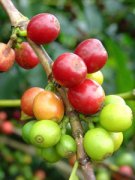
Boutique coffee Attrand is one of the five major volcanic coffee producing areas in Guatemala.
Traditional Attland is one of the five largest volcanic coffee producing areas in Guatemala, and its soil organic matter is the most abundant among the five major volcanic coffee producing areas. 90% of the traditional Atilan coffee is grown on the violent volcanic slopes of Lake Attila, where the daily breeze stirs the lake, which is an important factor affecting the microclimate of the region. The area has accumulated excellent quality for a long time.

Black tea flowers flavor La Tisa Manor in the Farahan Plateau of Guatemala
Coffee was really introduced into Guatemala in 1750 by Father Jesuit, where the coffee industry was developed by German colonists at the end of the 19th century. Today, most of the coffee industry's production takes place in the south of the country. There are seven main coffee producing areas in Guatemala: Antigua, Coban, Atitlan and Huehuete.
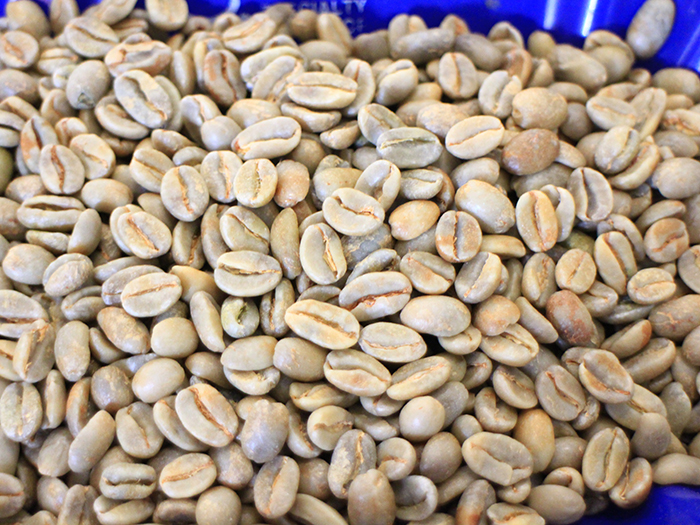
Washed coffee beans in Guardia La Tisa Manor Bourbon Kaddura fresh hard beans at high altitude
Coffee was really introduced into Guatemala in 1750 by Father Jesuit, where the coffee industry was developed by German colonists at the end of the 19th century. Today, most of the coffee industry's production takes place in the south of the country. There are seven main coffee producing areas in Guatemala: Antigua, Coban, Atitlan and Huehuete.